Personalized Sweatshirts Fabric Guide: GSM, Fleece, French Terry & Performance Blends Selecting the right fabric is paramount when ord...
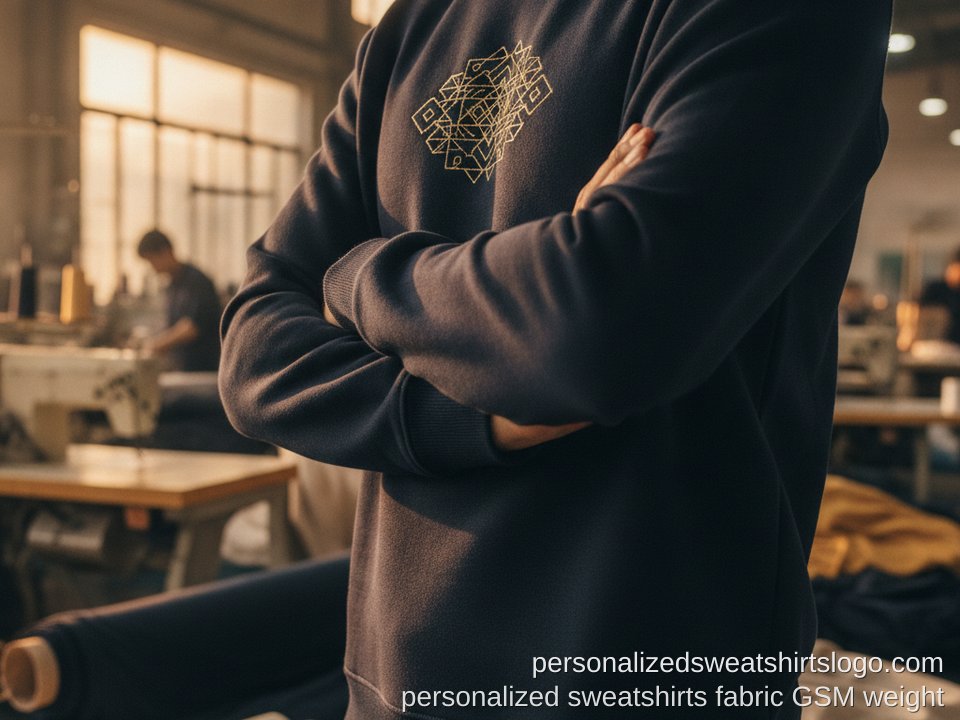
Personalized Sweatshirts Fabric Guide: GSM, Fleece, French Terry & Performance Blends
Selecting the right fabric is paramount when ordering custom personalized sweatshirts for your brand. The material directly influences the garment's feel, durability, warmth, and overall aesthetic. Understanding fabric weight, composition, and weave is crucial for technical buyers aiming to achieve specific product goals. This guide delves into the key fabric characteristics that define high-quality custom sweatshirts, with a particular focus on the significance of personalized sweatshirts fabric GSM weight.
At Personalized Sweatshirts Logo, operated by Gold Garment in Ho Chi Minh City, Vietnam, we understand that fabric choice is a cornerstone of successful product development. Our expertise in manufacturing allows us to guide you through the complexities of textile selection. We offer factory-direct pricing and cater to a minimum order quantity (MOQ) of 100 pieces, ensuring cost-effectiveness for bulk orders. Our commitment to quality extends to providing a comprehensive understanding of the materials we use, empowering you to make informed decisions for your custom apparel needs. For those seeking to understand the broader landscape of custom apparel production, our insights into an overview of fabric sourcing in Vietnam are invaluable.
Understanding Fabric Weight: The Significance of GSM
One of the most critical metrics for evaluating sweatshirt fabric is its weight, commonly expressed as GSM, which stands for Grams per Square Meter. This measurement indicates how much a square meter of the fabric weighs. A higher GSM generally signifies a heavier, thicker, and often warmer fabric, while a lower GSM indicates a lighter, more breathable material.
Why GSM Matters for Personalized Sweatshirts
The personalized sweatshirts fabric GSM weight directly correlates to the intended use and feel of the final product. For instance, a lighter GSM might be ideal for transitional weather or layering, offering breathability without excessive bulk. Conversely, a higher GSM is preferred for colder climates or for creating a substantial, premium feel. Understanding the target market and the desired functionality of your custom sweatshirts will guide your GSM selection.
Common GSM Ranges and Their Applications
- 180-250 GSM: Lightweight fabrics, suitable for t-shirts, light hoodies, or activewear where breathability is key.
- 250-320 GSM: Mid-weight fabrics, the most common range for standard sweatshirts and hoodies, offering a good balance of warmth and comfort.
- 320+ GSM: Heavyweight fabrics, ideal for premium, ultra-warm sweatshirts, winter outerwear, or garments designed for extreme cold.
Choosing the correct GSM is a fundamental aspect of creating functional and appealing custom apparel. As explained in our personalized sweatshirts MOQ Guide, even with a lower MOQ, fabric choice significantly impacts perceived value.
Exploring Common Sweatshirt Fabric Types
Beyond weight, the fiber composition and weave of the fabric play a crucial role in its performance and feel. At Personalized Sweatshirts Logo, we primarily work with a range of high-quality materials to meet diverse client needs.
Fleece: The Classic Choice
Fleece is perhaps the most traditional fabric associated with sweatshirts. It's a soft, napped synthetic or natural fabric known for its exceptional warmth and comfort. Typically made from polyester or a polyester-cotton blend, fleece is brushed on one side to create a fuzzy, insulating surface.
Types of Fleece
- 100% Polyester Fleece: Offers excellent insulation, moisture-wicking properties, and durability. It's lightweight yet very warm.
- Cotton-Polyester Blend Fleece: This is a very popular choice for personalized sweatshirts, combining the softness and breathability of cotton with the durability and wrinkle resistance of polyester. The ratio of cotton to polyester can vary, influencing the fabric's characteristics.
- 100% Cotton Fleece: Provides superior breathability and a natural feel, but can be heavier when wet and may shrink more than blends.
The brushed interior of fleece provides a cozy feel, making it a go-to for casual wear and promotional items. When comparing fleece vs jersey personalized sweatshirts, fleece is generally warmer and has a softer, fluffier interior.
French Terry: Breathable Comfort
French Terry is a knit fabric that offers a unique texture. It features small loops on the inside and a smooth surface on the outside. This construction makes it highly breathable and moisture-wicking, yet still provides a comfortable weight and warmth, especially in mid-weight varieties.
Benefits of French Terry
- Breathability: The looped interior allows for excellent air circulation.
- Moisture Wicking: It draws moisture away from the skin, making it suitable for active pursuits or warmer climates.
- Versatility: French Terry can be used for a wide range of garments, from lightweight hoodies to heavier crewnecks.
French terry personalized sweatshirts are an excellent option for brands looking for a comfortable, versatile garment that offers a more refined look than traditional brushed fleece. Its smooth exterior also provides a great surface for detailed printing or embroidery.
Performance Blends: Functionality Meets Comfort
For brands focused on athletic wear, active lifestyles, or garments requiring specific functional properties, performance blends are the ideal choice. These fabrics are engineered to enhance comfort and functionality during physical activity.
Common Performance Fabric Features
- Moisture-Wicking Technology: Fabrics designed to pull sweat away from the body to the fabric's surface, where it can evaporate quickly.
- Quick-Drying Properties: Essential for activewear, allowing the garment to dry rapidly after washing or sweating.
- Stretch and Recovery: Blends incorporating spandex or elastane provide flexibility and ensure the garment retains its shape.
- Odor Control: Some performance fabrics are treated to inhibit the growth of odor-causing bacteria.
- UPF Protection: Certain blends offer protection against harmful ultraviolet rays.
Performance blends often combine polyester, nylon, and spandex with cotton or other natural fibers to achieve a balance of comfort, durability, and technical features. These fabrics are ideal for custom team apparel, corporate wellness programs, or any brand prioritizing active functionality. Learning about how these garments are constructed can be found in our article on How Personalized Sweatshirts Are Made: The Complete Manufacturing Process Explained.
Choosing the Right Fabric for Your Brand
The decision between fleece, French terry, or a performance blend hinges on your brand's specific needs and target audience. Consider the following:
Key Considerations for Fabric Selection
- Intended Use: Will the sweatshirts be for casual wear, athletic activities, promotional giveaways, or outdoor use?
- Climate: Is the target market in a cold, temperate, or warm region?
- Desired Feel: Do you want a plush, soft interior (fleece), a smooth and breathable feel (French terry), or a technical, performance-oriented fabric?
- Decoration Method: Some fabrics are better suited for embroidery, while others are ideal for screen printing or heat transfers.
- Budget: While we offer factory-direct pricing, different fabric compositions can influence the overall cost.
For example, a brand targeting outdoor enthusiasts might opt for a heavier fleece or a performance blend with water-resistance. A lifestyle brand focusing on comfort and casual wear might lean towards mid-weight French terry or a soft cotton-polyester fleece. Our comprehensive Sweatshirt Styles Guide also offers insights into how fabric choice complements different designs.
The Role of Cotton vs. Polyester
Most sweatshirt fabrics are either 100% cotton, 100% polyester, or a blend. Cotton offers breathability and a soft, natural feel but can be prone to shrinking and may hold moisture. Polyester is durable, resistant to shrinking and stretching, and dries quickly, but can sometimes feel less breathable than cotton. Blends are designed to leverage the advantages of both, providing a balanced fabric that is comfortable, durable, and easy to care for.
When you partner with us, you benefit from our extensive experience in manufacturing. We have a proven track record in producing high-quality custom apparel, as demonstrated by a real example from goldgarment.vn. Our facility at 32 Pho Quang, Ho Chi Minh City, Vietnam, is equipped to handle diverse fabric requirements for clients in the USA, Europe, Australia, and Southeast Asia.
Frequently Asked Questions
Q: What is the ideal GSM for a year-round sweatshirt?
A: For a versatile, year-round sweatshirt, a GSM range of 250-300 is typically ideal. This mid-weight fabric offers sufficient warmth for cooler days without being overly heavy for milder temperatures, striking a good balance for general wear.
Q: How does fabric composition affect the feel of personalized sweatshirts?
A: The composition significantly impacts the feel. 100% cotton offers natural softness and breathability, while 100% polyester can feel smoother but less breathable. Cotton-polyester blends provide a balance, often resulting in a soft, comfortable fabric with good durability and less shrinkage. Performance blends can feel smoother, more technical, and may have a slight stretch.
Q: Can I get eco-friendly fabric options for my custom sweatshirts?
A: Yes, we can source and manufacture with eco-friendly options such as organic cotton or recycled polyester. These materials offer sustainable alternatives without compromising on quality or performance. Discussing your sustainability goals with our team will help us identify the best fabric choices for your brand.
Q: What is the difference between fleece and French terry in terms of warmth and breathability?
A: Fleece is generally warmer and cozier due to its brushed, napped interior, which traps more air. French terry, with its looped interior, is less insulating but significantly more breathable and moisture-wicking, making it a better choice for activewear or warmer climates where overheating is a concern.
Choosing the right fabric is a critical step in creating successful custom personalized sweatshirts. We are committed to providing you with the highest quality materials and manufacturing expertise.
Partner with us for your next custom sweatshirt order and experience the difference of factory-direct quality and service.
📩 Request a Free Quote — Response Within 5 Minutes
🌎 Website: personalizedsweatshirtslogo.com
Factory-direct pricing · MOQ from 100 pcs/style · Sample development · Worldwide shipping


